Role of Catering Establishment in the Travel/Tourism Industry

Pengalaman Tamu & Loyalitas Merek (Guest Experience)

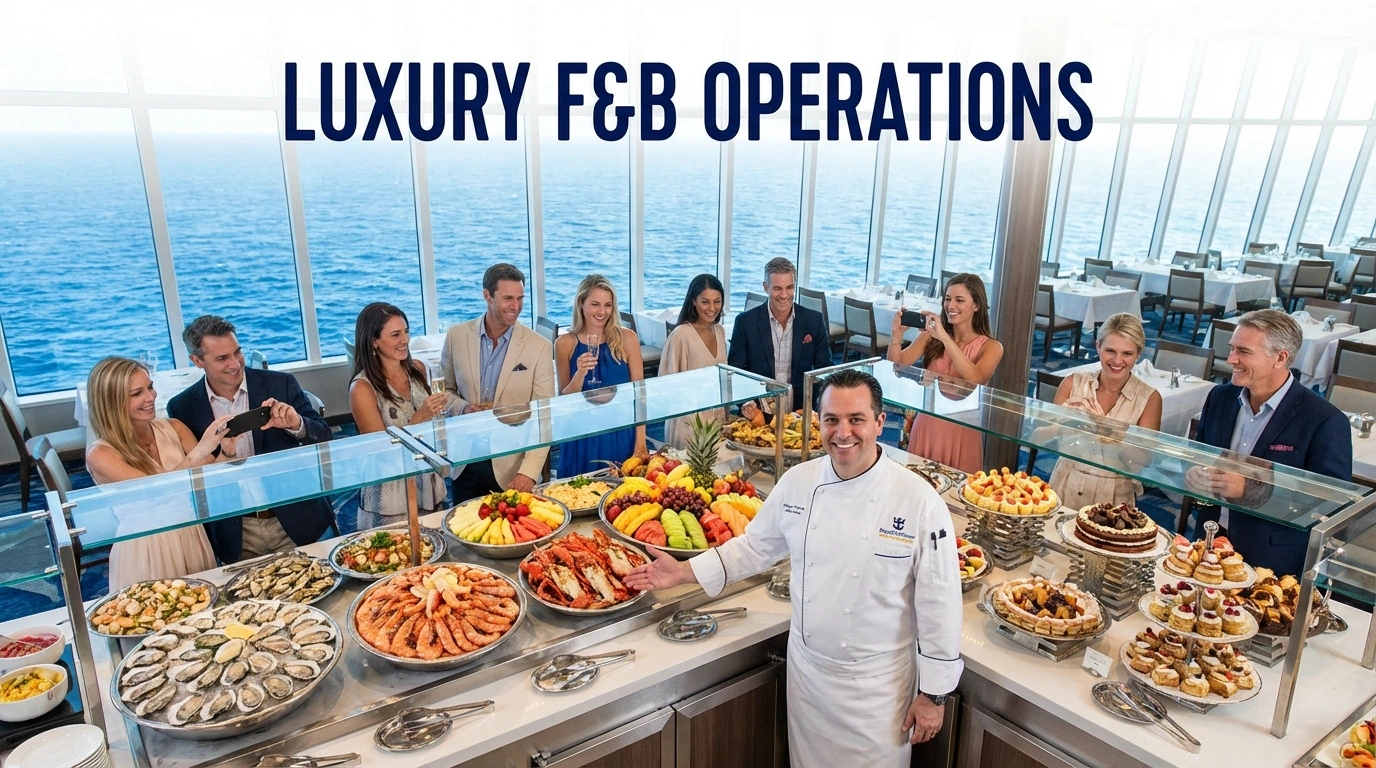
Operasional katering dan Food & Beverage (F&B) menentukan mutu pengalaman wisatawan secara langsung. Di kapal pesiar dan resor terpadu, standar rasa, variasi menu, dan kecepatan penyajian memengaruhi kepuasan tamu, loyalitas merek, serta ulasan publik. Pengalaman makan yang mengecewakan dapat merusak seluruh agenda liburan tamu.
Kebangkitan Wisata Gastronomi (Gastronomic Tourism)
Kuliner kini menjadi alasan utama wisatawan menentukan tujuan perjalanan (primary travel motivator). Wisata gastronomi (culinary tourism) berkembang pesat karena pelancong mencari pengalaman rasa yang tidak bisa didapatkan di tempat asal mereka.


Wisatawan mendatangi lokasi tertentu untuk mencicipi hidangan khas, mengikuti festival makanan, menghadiri sesi pencicipan minuman fermentasi (wine tasting), hingga bersantap di restoran berbintang dunia (Michelin-starred dining).
Imersi Budaya & Keaslian Warisan Kuliner
Usaha katering memperkenalkan budaya lokal melalui resep tradisional dan bahan baku petani setempat (locally-sourced ingredients). Hidangan autentik membantu wisatawan memahami sejarah dan tradisi daerah yang mereka kunjungi secara langsung melalui panca indra.
Dampak Ekonomi & Profitabilitas Sektor Wisata


Pengeluaran makan dan minum (F&B) menyumbang porsi terbesar dalam anggaran wisatawan (tourist expenditure). Layanan fine dining, pesanan kamar hotel (room service), stan makanan jalanan (street food), hingga katering jamuan konvensi (MICE / event catering) menciptakan perputaran devisa nyata dan membuka jutaan lapangan kerja.
Higienitas, Keamanan Pangan & Inklusivitas Diet Global


Wisatawan mengandalkan standar kebersihan katering agar terhindar dari penyakit bawaan makanan dan kontaminasi silang (cross-contamination).
Operasional katering modern wajib mengakomodasi kebutuhan tamu internasional: pantangan alergi berbahaya (severe food allergies), menu bebas gluten (gluten-free), gaya hidup nabati (vegan / vegetarian), serta standar keagamaan seperti sertifikasi Halal dan Kosher.
Gastronomy & Dietary F&B Operations Simulator
Pilih skenario operasional katering pariwisata di bawah ini dan ambil keputusan terbaik:
Evaluasi 5 Pilar Katering Pariwisata
Memuat pertanyaan...
Pengalaman Tamu & Loyalitas Merek (Guest Experience)
Operasional katering dan Food & Beverage (F&B) menentukan mutu pengalaman wisatawan secara langsung. Di kapal pesiar dan resor terpadu, standar rasa, variasi menu, dan kecepatan penyajian memengaruhi kepuasan tamu, loyalitas merek, serta ulasan publik. Pengalaman makan yang mengecewakan dapat merusak seluruh agenda liburan tamu.
Kebangkitan Wisata Gastronomi (Gastronomic Tourism)
Kuliner kini menjadi alasan utama wisatawan menentukan tujuan perjalanan (primary travel motivator). Wisata gastronomi (culinary tourism) berkembang pesat karena pelancong mencari pengalaman rasa yang tidak bisa didapatkan di tempat asal mereka.
Wisatawan mendatangi lokasi tertentu untuk mencicipi hidangan khas, mengikuti festival makanan, menghadiri sesi pencicipan minuman fermentasi (wine tasting), hingga bersantap di restoran berbintang dunia (Michelin-starred dining).
Imersi Budaya & Keaslian Warisan Kuliner
Usaha katering memperkenalkan budaya lokal melalui resep tradisional dan bahan baku petani setempat (locally-sourced ingredients). Hidangan autentik membantu wisatawan memahami sejarah dan tradisi daerah yang mereka kunjungi secara langsung melalui panca indra.
Dampak Ekonomi & Profitabilitas Sektor Wisata
Pengeluaran makan dan minum (F&B) menyumbang porsi terbesar dalam anggaran wisatawan (tourist expenditure). Layanan fine dining, pesanan kamar hotel (room service), stan makanan jalanan (street food), hingga katering jamuan konvensi (MICE / event catering) menciptakan perputaran devisa nyata dan membuka jutaan lapangan kerja.
Higienitas, Keamanan Pangan & Inklusivitas Diet Global
Wisatawan mengandalkan standar kebersihan katering agar terhindar dari penyakit bawaan makanan dan kontaminasi silang (cross-contamination).
Operasional katering modern wajib mengakomodasi kebutuhan tamu internasional: pantangan alergi berbahaya (severe food allergies), menu bebas gluten (gluten-free), gaya hidup nabati (vegan / vegetarian), serta standar keagamaan seperti sertifikasi Halal dan Kosher.
Gastronomy & Dietary F&B Operations Simulator
Pilih skenario operasional katering pariwisata di bawah ini dan ambil keputusan terbaik:
Evaluasi 5 Pilar Katering Pariwisata
Memuat pertanyaan...